It’s wild, isn’t it? I mean, did you know that online crime is costing individuals and businesses billions of dollars every year? Billions. The digital world is just like, such an incredible place for new opportunities, but it’s also become quite the breeding ground for these cybercriminals… you know? It can be scary. And believe me, I get it. But we can face this head-on! We just need the right knowledge and the right tools. Seriously.
Understanding the Threat Landscape
So, look… To really combat cyber threats, we first need to understand our enemy. Right? The world of online crime is vast. It is ever-changing. But in this constant change, there are always some common types of attacks that consistently seem to plague all of you web users. These include:
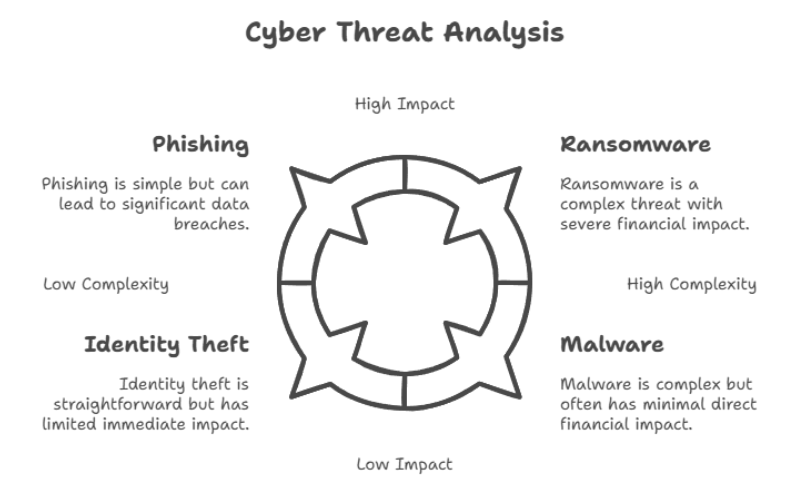
- Phishing: Phishing. It’s more than just a slightly annoying email isn’t it? In involves getting super legit-looking emails, or messages, or heck, even entire websites that will try to trick you! Whether it’s a password steal, a credit card hack, or even getting your social security number! For example, you might get an email that looks like it’s from your bank, telling you to click something and update your account.
- Malware: Or “malicious software.” Malware encompasses so many threats, including viruses, worms, and even sneaky Trojan forces. It can infect your computer through infected files. Think of downloading one and finding yourself hacked later. It is all too common!
- Ransomware: This is also pretty terrible. This kind of malware can encrypt all your devices. They will even expect payment in exchange. Yes I know, unbelievable. And that’s another example that exists out there which crippled millions all over.
Beyond these? There’s identity theft (someone steal your personal info!). Or financial fraud (fake transactions stealing your money.) Understanding threats is so important for effective protection.
Recognizing the Red Flags
Okay, once you get comfortable with this topic, spotting the scams almost becomes like a…sixth sense. It’s all about just picking up on those little “tells” that something feels off. So, for example, with phishing scams? Always carefully read the sender’s actual email address. Not just the name that shows up, but the actual address. And see if it matches the company they claim to be representing. Also… be really weary of generic openings like, “Dear Customer” or, “Dear User.” A genuine company is likely going to have your name on file and use it when communicating with you. And – here’s an obvious one: pay attention to any grammar or typos!
For scam websites, a lot of the same things apply. Look closely at the URL for any misspellings, or maybe weird domain extensions you don’t normally see. Make sure you see the “lock” icon in the address bar. The “lock” means the site is secure. That lock is a good sign, but… even then, security doesn’t necessarily mean it isn’t fraudulent . Be suspicious of websites that ask way too much about you, or that try to tell you you need to do something RIGHT NOW or you’ll be cut off!
Oh, and I remember once I received an email impersonating my bank. Now there was an issue. The logo appeared authentic as well. However, I just didn’t believe it. It felt off. Grammatical errors? Check. A call to my bank later? Everything was confirmed. The lesson? Know the red flags.
Proactive Prevention Techniques
Proactive prevention is just what it is! The best way you can defend yourself against the digital space.
There are a few key practices to get under your belt:
- Keep secure passwords! Create ones that are hard to guess! It’s important to use a combination and at least 12 characters long! What they are! There’s also the option of password managers, keeping everything locked away and safe!
- Make sure to use security from all fields of your account! If there is suspicious activity happening, a notification or something else can alert you if someone you have a history with isn’t the one logging in!
- Keep everything updated! Not only are updates important but they are beneficial for performance! These updates ensure security as well!
- Check to see if you are browsing safely! Clicking the links of randoms isn’t a good idea I can ensure you that! Make sure the sender is who they say, and stay safe!
Again, I can ensure you that defending what you care about is the most reliable strategy! After this I can ensure you that your cybersecurity is secure!
Advanced Security Measures
Those asking for the outmost in defense: you have it right here! Those techniques should give you more control!
A tool! A VPN! This tool encrypts your connection, providing protection! Especially when you are on public devices! This helps with maintaining online anonymity!
Ensure data is encrypted at all times as well! To keep all things safe for you!
Theft is the main cause of identity issues! These services keep an eye on your data and alerts on potential fraud. Ensuring your online anonymity and safety is the best way to keep safe and be secure!
Having a service will give you peace of mind about your online security.
What to Do If You’ve Been Hacked or Scammed
Finding out about that you’ve had your data stolen, or your security compromised, can be frightful! Here are a few steps:
- Change your passwords! All of them! Especially with the tips listed before!
- Get in contact with the relevant personnel! Request to freeses or flag your account for potential issues for your safety.
- Be sure to report to cybersecurity! It helps make sure everything isn’t a harm.
- Take the theft from the process seriously! Monitor everything frequently and ensure everything is on the up and up.
Ensure safety by getting professional help, and knowing the process to help and getting assistance if needed!
Staying Informed and Up-to-Date
The world is constantly changing: the means of new tactics is just one of the reasons: here is what to do:
- Keep checking reputable sources! Help keep your safety and security at the top! Never take risks.
- Learn from the internet! It’s one of the best ways to gather helpful information. The US-CERT team is a prime example of the constant efforts for alert and advisories!
- Follow social media experts! Get safe trips!
It’s not a luxury; it’s a requirement to apply what you learn and get from here, stays with you! As a checklist!
Being fraudulent with businesses? Always stay protected on the web! Armed with the info and actions, you are ready to fight cybersecurity issues and defend your data and keep up safe!